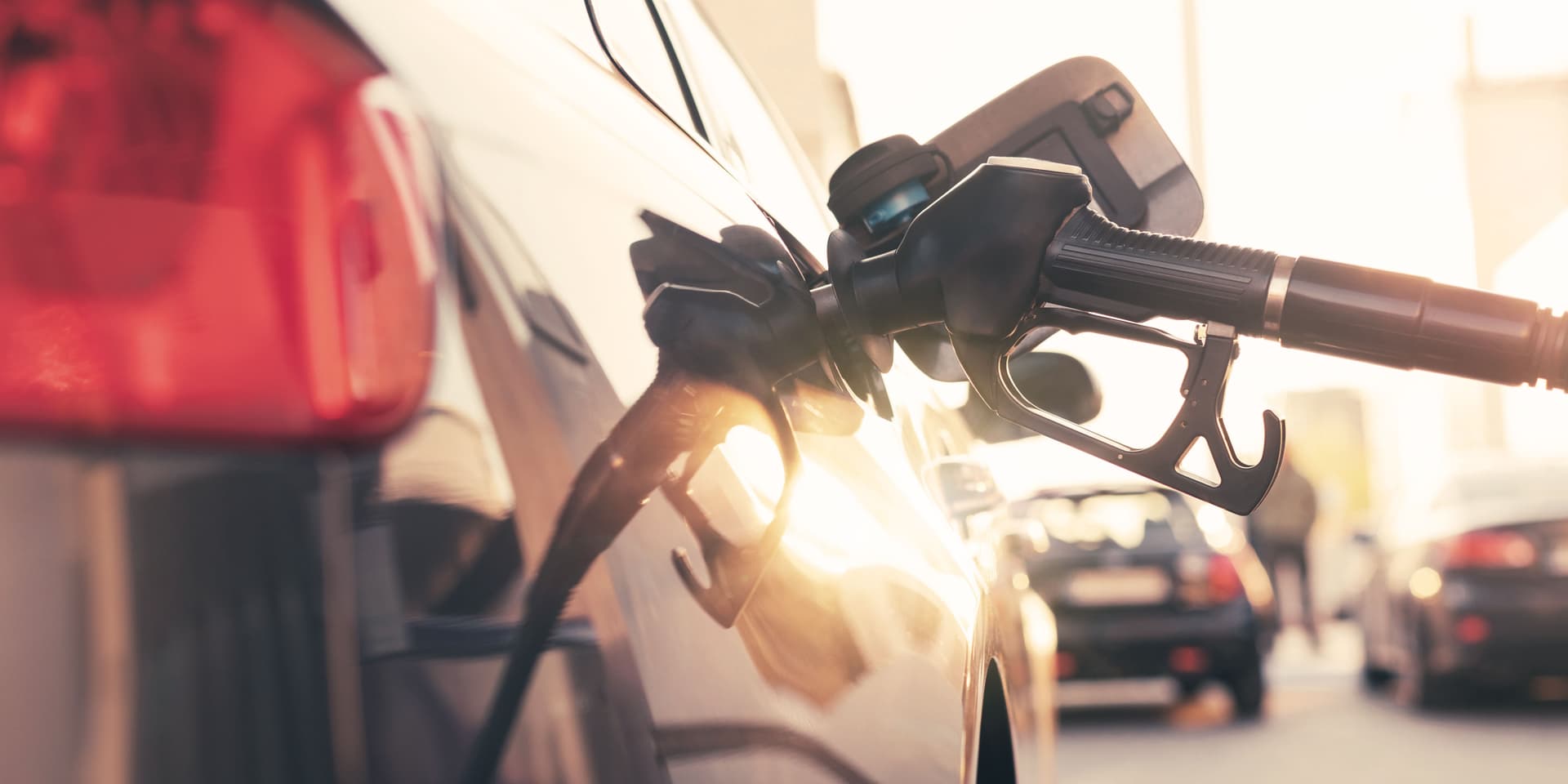
Fuel and electric costs expenses amount to approximately 30% of your corporate fleet cost: fuel and energy efficiency is thus a huge opportunity to deliver fleet cost-savings. If your company is looking to lower fuel costs and to reduce CO2 emissions fleetcompetence’s actionable techniques to improve fuel efficiency will be appreciated.
fleetcompetence offers advanced fuel optimisation solutions aimed at reducing costs as well as reducing consumption through driving style monitoring. By implementing best practices, we reduce fuel costs, fuel consumption, CO2 emissions and energy costs ensuring your fleet operates efficiently.
Our expert team utilises cutting-edge technology to monitor driving styles or electricity, identifying behaviours that lead to excessive fuel consumption. By providing actionable feedback and training for your drivers, we optimise their driving habits, leading to significant energy savings. fleetcompetence’s solutions not only lower company car fuel and electricity costs but also enhance overall fleet performance.
From assessing company car fuel costs to implementing effective fuel management strategies, fleetcompetence offers a full range of services designed to optimise your fleet’s fuel efficiency.
Reduce fleet fuel costs with expert analysis: contact us to discover how we can help you reduce fuel costs and optimise your fleet’s fuel consumption for maximum efficiency and savings.
Fuel and electric energy costs can represent a significant share of total corporate fleet expenditure, making this area a major savings opportunity. Fuel optimization is also relevant because it can reduce both operating cost and CO₂ emissions.
The service includes fuel and energy efficiency improvement measures, with a particular emphasis on driving style monitoring, actionable feedback and practical best practices. It is designed to reduce both fuel costs and broader energy-related expenses across the fleet.
Driving style monitoring helps identify behaviours that lead to excessive fuel or electricity consumption. By combining this analysis with driver feedback and training, companies can improve driving habits and achieve measurable reductions in energy use, operating costs and CO₂ emissions.
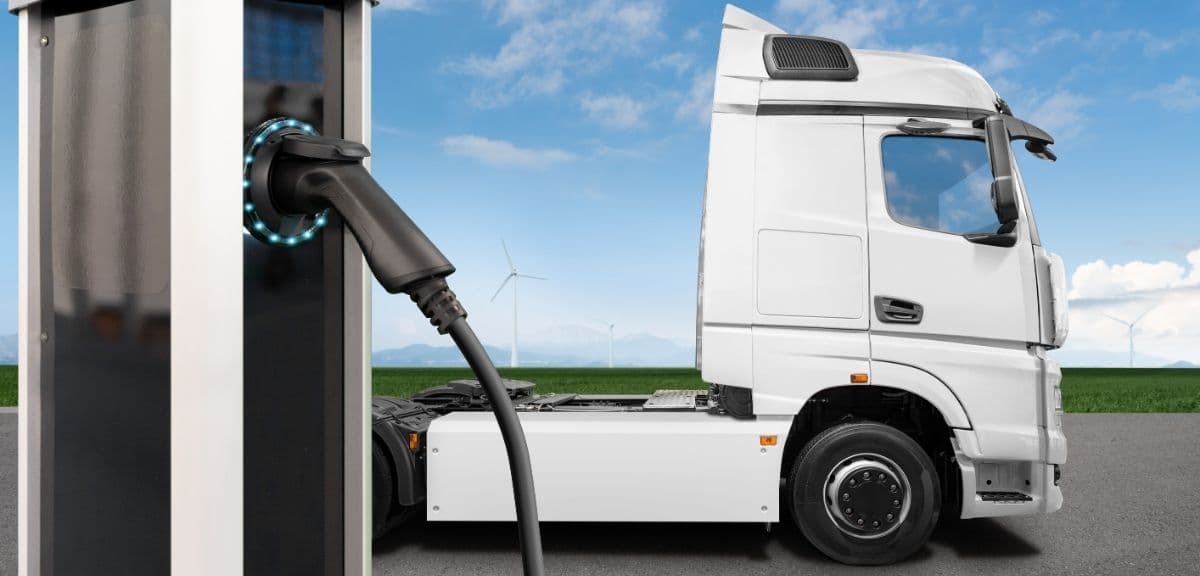
No. Fuel optimization is relevant for mixed fleets too, especially where companies want to improve energy efficiency across different vehicle technologies, including electric vehicles.
Companies can expect lower fuel and energy costs, reduced consumption, lower CO₂ emissions and better overall fleet performance. It is a practical way to combine cost efficiency with sustainability and operational improvement.
Contact us for a quick first assessment



CHEMICAL
How we harmonised a 9,000-vehicle fleet across 12 countries.
Find out more
BUSINESS SERVICES
How we gave 830 drivers a fixed monthly fee and a digital showroom.
Find out more
CONSTRUCTION
How we used telematics to boost productivity by 15% across 2,645 vehicles.
Find out more